

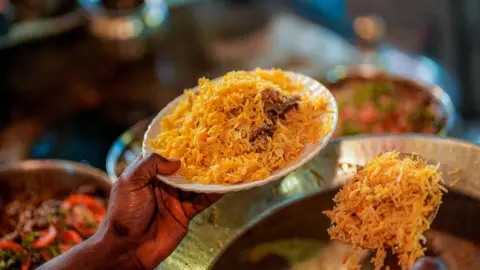
Mouth-watering kebabs, scented biryani, and whipped, ethereal desserts.
The historic city in northern India of Lucknow has forever been a food lovers' paradise, with locals and visitors equally swearing by its remarkable cuisine.
A Global Honor
In a recent announcement, UNESCO recognised it as a Creative City of Gastronomy – adding it to a exclusive roster of global cities and igniting hopes that it will highlight Lucknow's sublime food. With this title, it becomes part of a global network of more than four hundred urban centers across more than 100 countries focused on promoting "creativity as a driver of sustainable urban development".
The accolade "demonstrates its centuries-old food heritage and dynamic culinary scene," as noted by a official from UNESCO's regional bureau for South Asia.
Lucknow is only the second Indian city – after Hyderabad, which was selected in 2019 – to secure a position in this highly sought-after list of 70 global destinations internationally.
A Metropolis Shaped by Cuisine
The honor for this time-honored city arrives as hardly a shock to its locals or passionate food lovers. Many share the sentiment that it is "a recognition that was delayed".
With the UNESCO recognition, this adored, bustling, and diverse city – the administrative center of India's largest state – is at last in the limelight for what has always characterized its essence: an immense love for food.
"'What will be cooked, how will it be cooked' is a ongoing dialogue from waking up until going to bed in many homes," explains a local cultural expert. "And you are truly assessed by the quality of food that emerges from your kitchen."
A Heritage of Nawabi Cuisine
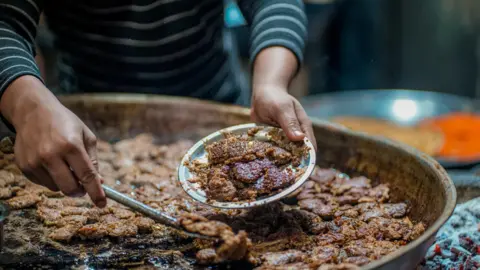
The City of the Nawabs – as it's popularly called after its historic wealthy Muslim rulers – is famed for its melt-in-the-mouth kebabs and a singular take on biryani that were created, evolved, and taken to sublime levels in their imperial kitchens.
These imperial kitchens were hubs of food experimentation, merging Persian and native Indian styles to create what became known as the food of Awadh.
It was in this era that Lucknow's renowned kebabs were fashioned. Legend has it that the galouti kebab was invented to feed an elderly nawab who had lost his teeth. His culinary artists processed the meat with papaya, kesar, and spices and made it so fine that it needed no chewing.
But perhaps the most significant contribution of the cooks of Awadh was the slow-cooking Dum pukht technique, where food is cooked on a low, slow heat, with the container's cover securely closed with dough.
A Diverse Culinary Landscape
Apart from the famous kebabs and biryani, the culinary masters also created a vast array of dishes that included kormas (rich curries), sheermal (saffron-infused flatbread), and shahi tukda (a decadent bread pudding).
However, Lucknow is not only about kebabs and biryani – the region is additionally a haven for vegetarians.
The local traditionally vegetarian community's cuisine not only showcases fresh harvests but also gives the city its highly curated Indian desserts, sweets, and unique street food, like chaat – spicy fried snacks.
Iconic Stalls and Historic Shops
Virtually on countless corners, there are tiny kiosks and stalls – lesser-known delights that are immensely loved by the locals.
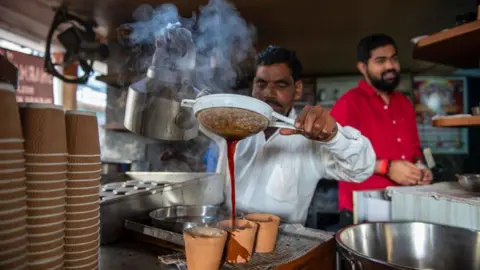
In the heart of the city of Hazratganj, huge crowds start milling around from 5 am at a legendary tea stall to get a piping hot cup of spiced tea with milk, served in clay glasses, along with fluffy buns slathered with freshly churned white butter.
In the morning, one can visit a unpretentious joint situated in the old city area of Aminabad. Almost 150 years after it was set up, the place is still in great demand for its hot kachoris (fried bread stuffed with lentils) and jalebis (crispy, syrup-soaked sweets).
Ensuring Legacy Continues
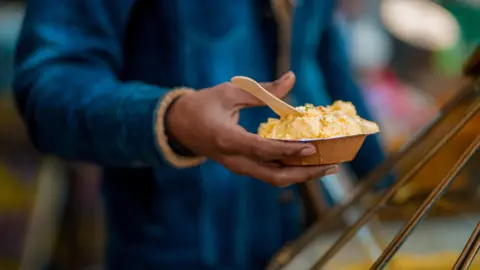
The city also boasts special seasonal delights, such as makkhan malai, a airy dessert found in the winter. The process of making it is intricate and complicated. The artisan beats the milk and then leaves it out at night, allowing the dew to give it its unique light consistency.
On chilly mornings, street vendors line up in old city areas like Aminabad and Chowk. Some but note that their younger generation are reluctant to take up the skill.
A well-known culinary expert from Lucknow has often said that the city's immense food legacy puts it at the very pinnacle of the Indian street food experience. The significant impact from the UNESCO recognition, it is believed, will materialize only if Lucknow can now generate interest about its lesser-known eateries.
Every dish in Lucknow comes with a history – shaped by family-run food businesses, from modest street carts to lively restaurants, and secret family recipes.
The worldwide honor, it is anticipated, will encourage more people globally to discover these tales and visit the city to taste the food wonders of Lucknow.
